
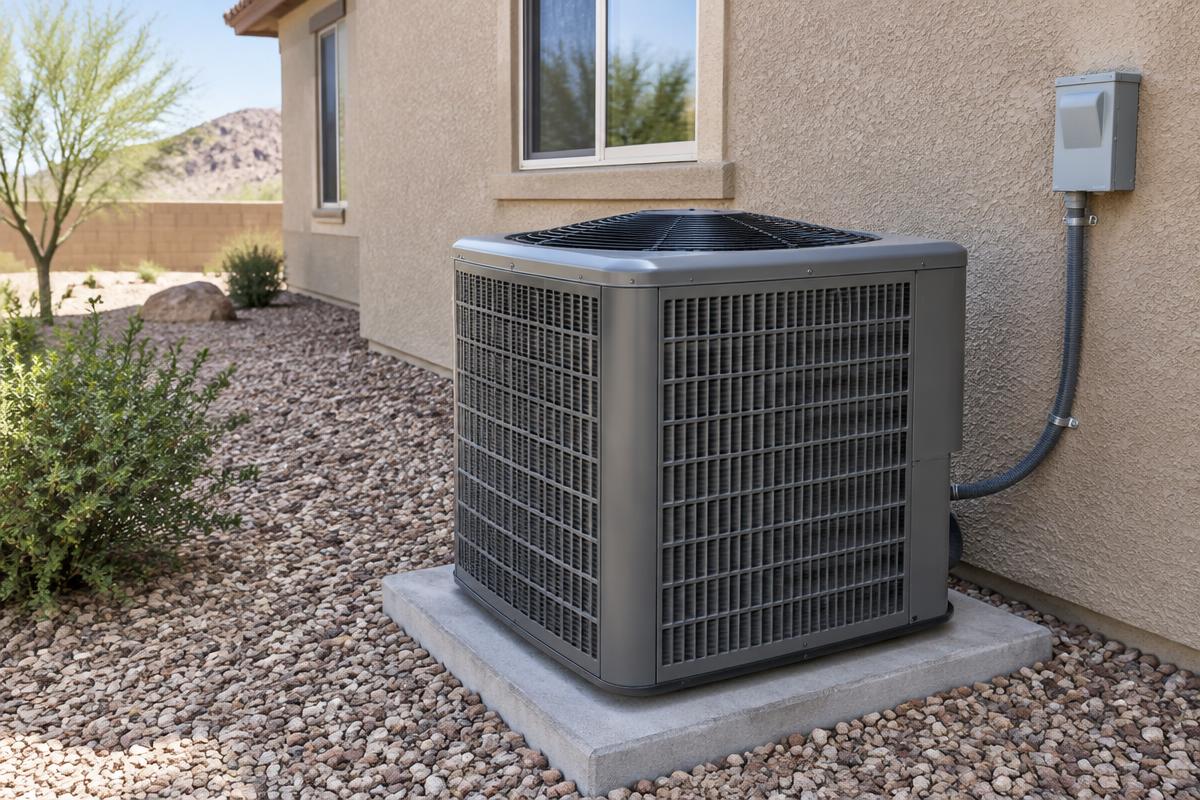
When Is a New AC System Worth Considering?
Replacement usually comes up for a few reasons:
- The current system needs a major repair, such as a compressor, and the equipment is already aging.
- Repairs have become frequent and the costs are adding up.
- The home never cools evenly or comfortably, even when the system is working.
- Energy bills have climbed without a clear explanation.
- You're remodeling, adding space, or converting from another type of cooling.
Why Proper Sizing Matters
Bigger is not automatically better. An oversized air conditioner tends to cool the house quickly and shut off, which is called short cycling. It may leave rooms feeling clammy, cause uneven temperatures, and put extra wear on components. An undersized system may run nonstop on the hottest afternoons and still fall behind.
Correct sizing is based on the home itself: square footage, insulation, windows and their orientation, ceiling heights, air leakage, ductwork condition, and how the space is used. A load calculation, such as the industry-standard Manual J method, considers these factors rather than relying on the size of the old unit or a rule of thumb.
System Types to Understand
The right type of system depends on your home, existing equipment, and comfort goals:
- Central split systems: an outdoor condenser paired with an indoor coil and furnace or air handler. Common in El Paso homes with ductwork.
- Heat pumps: provide both cooling and heating by reversing the refrigerant flow. Worth discussing given El Paso's mild winters.
- Packaged units: all major components in one cabinet, often installed on the ground or a roof.
- Ductless mini-splits: individual indoor heads for rooms or additions without ductwork.
Efficiency Ratings Explained
Air conditioners are rated by SEER2, which reflects cooling efficiency over a season. Higher ratings generally mean lower operating costs, but they also come with a higher upfront price. In a climate with as many cooling hours as El Paso, efficiency can matter more than it would in a cooler city. The best choice balances your budget, how long you plan to stay in the home, and your comfort priorities.
Ductwork and Airflow
Even a new, efficient air conditioner can disappoint if it's connected to leaky, undersized, or poorly designed ductwork. Ducts that run through hot attics lose cooling when they leak or lack insulation. Evaluating the ductwork during installation planning helps ensure the new system can actually deliver the air it produces.
YOUR HVAC CO also offers duct fabrication services, so ductwork that needs to be replaced, resized, or added can be built to fit your home rather than patched together.
Refrigerated Air Conversions
Many older El Paso homes still cool with evaporative (swamp) coolers. Converting to refrigerated air means consistent temperatures, better humidity control, and the ability to keep windows closed during dust storms and allergy season.
A conversion involves more than swapping equipment: ductwork, electrical capacity, and the old cooler all need to be addressed. If you're thinking about converting from evaporative cooling to refrigerated air, mention it in your service request and we can talk through what your home would need.
What Installation Planning Typically Includes
A thorough installation process generally involves an assessment of the home and existing equipment, a discussion of system options, removal of the old equipment, setting and connecting the new indoor and outdoor components, connecting refrigerant lines and electrical, checking the condensate drain, and testing the system to verify it is operating properly. Permits and inspections may be required depending on the scope of work.
If your current system is still running and you're not sure whether it's time to replace it, our AC repair page covers the repair-or-replace factors in more detail.
What to Expect
- 01
Home assessment
Review the home, current equipment, ductwork, and comfort concerns.
- 02
Sizing and options
Discuss correctly sized equipment and system types that fit your goals.
- 03
Installation
Remove old equipment and install and connect the new system.
- 04
Testing and walkthrough
Verify operation and review how to use and care for the system.